Study
Psalms
Gemidos del corazón: alabanzas y oraciones leídas verso a verso desde el hebreo.
תְּהִלִּים
Psalms
Gemidos del corazón: alabanzas y oraciones leídas verso a verso desde el hebreo. 11 chapters available.


I
The well adventured
6 verses
Read the chapter →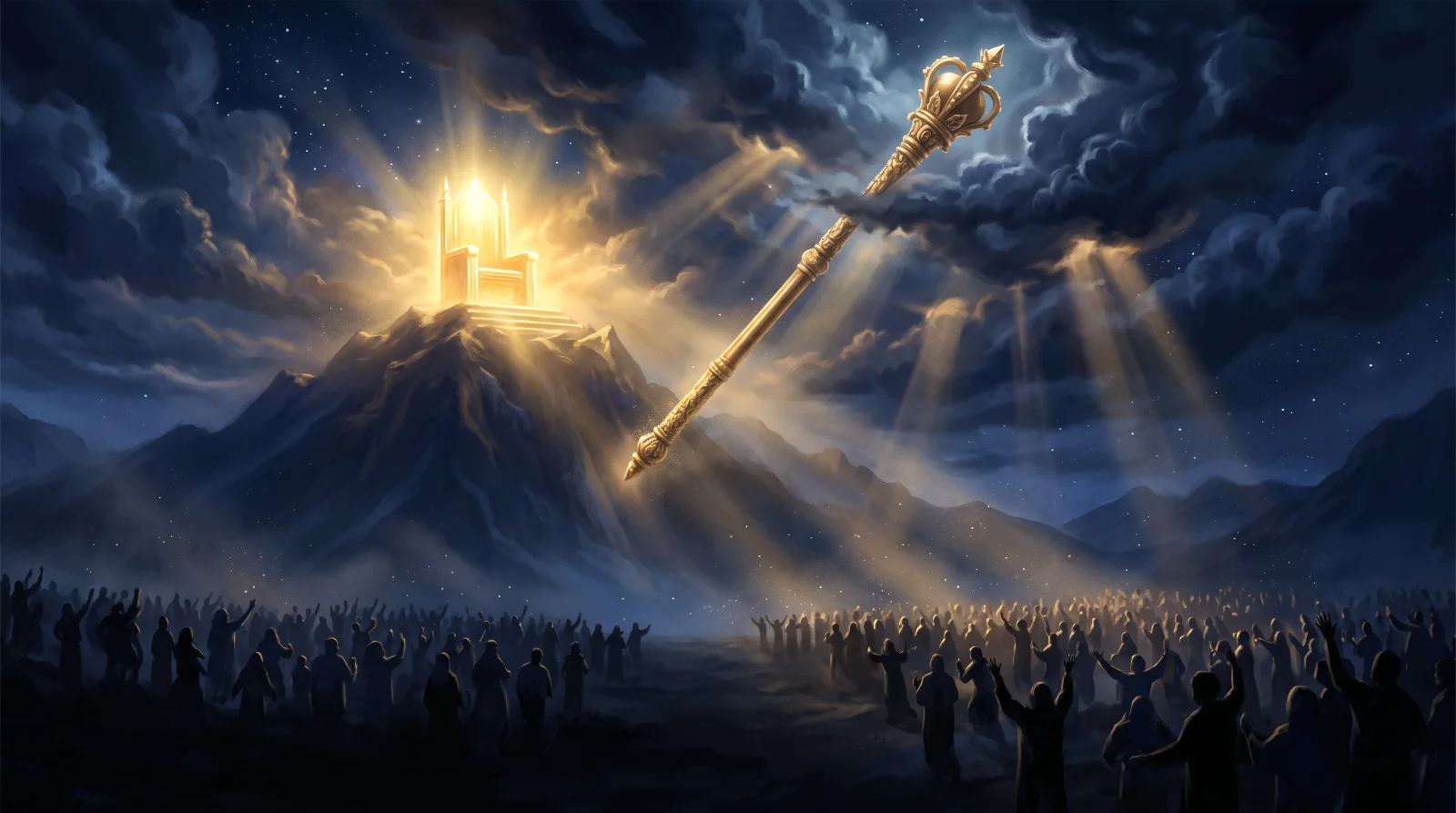
II
One king
12 verses
Read the chapter →
III
First task
8 verses
Read the chapter →
IV
Daily review
8 verses
Read the chapter →
V
Full trust
12 verses
Read the chapter →
VI
The tests
10 verses
Read the chapter →
VII
There is no revenge
17 verses
Read the chapter →
VIII
A great father
9 verses
Read the chapter →
IX
Gratitude
20 verses
Read the chapter →
X
There are destructive desires
18 verses
Read the chapter →
XI
He is our refuge
7 verses
Read the chapter →Introduction
The Psalms, rather than songs, must be understood as pure and profound inner expressions, which in most cases praise the Creator and his work; but in others they ask for his protection, closeness and guidance.
Tehillim, "praises" or "hymns," as a sacred book, is attributed to King David and contains 150 chapters covering a wide range of human emotions: from praise and gratitude to supplication and consolation in times of distress.
Within Kabbalah, an ancient Jewish mystical tradition, each Psalm is considered a powerful spiritual tool that can influence specific aspects of reality. According to Kabbalah, reciting and meditating on the Psalms not only strengthens the spiritual connection with the divine but can also positively change events and circumstances in the life of those who use them with intention and faith.
Each psalm addresses fundamental questions about spirituality, human nature, connection with the Creator, and how to interpret our earthly experiences from a transcendental perspective.
Tehillim not only offers a window into Jewish spirituality but also provides practical tools to improve our daily lives. Each Psalm has the potential to influence our circumstances and emotions, guiding us toward a greater connection with the divine and greater personal fulfillment.
With their poetic and mystical language, the Psalms are much more than simple prayers. Each one contains encrypted names of God, as well as instructions for accessing higher levels of spirituality. In analogy with the Tree of Life, they offer us an energetic map that describes not only the universe but also our own internal structure.
These names are not obvious to the naked eye, but can be discovered through techniques such as gematria and meditation. Each Psalm is like a code that, when deciphered, releases a specific energy, which is why the way the Psalms are recited is also crucial.
It is therefore important to prepare ourselves spiritually for reading these Psalms. We must not only familiarize ourselves with the Tree of Life to understand how the energies flow between the sefirot, but we must also cultivate patience and intuition, as working with the Psalms requires time and dedication.
Visualizing the divine words and names while reciting the Psalms can amplify their effect. Furthermore, correctly pronouncing the Psalms, especially in their original language, is key to unlocking their power. This means working with a clear and focused intention, whether for protection, healing, or spiritual growth.
The Psalms and the Tree of Life are two powerful spiritual tools that, when worked together, offer a transformative path to connection with the divine. The Book of Tehillim, compiled prophetically and with divine inspiration by King David, is an expression of the noblest emotions and feelings of humankind. Thus, each Psalm constitutes a channel of connection between man and Hashem, and at the same time—and inversely—a unique channel through which a specific energy is revealed to man from Above, an energy that is inherent to each psalm and unique to it. Yet, in order to achieve the desired effect when reading each Psalm, one must be aware that the sincerity and devotion displayed will be the determining factors. But all of this is still subject to the Divine Will.
In Kabbalah and Gematria, the concepts of the Tree of Life and the sefirot have a fundamental relationship with the understanding of the Psalms. Throughout the Psalms, we find many references to spiritual themes that can be interpreted through Kabbalah, and understanding them more deeply helps us connect with divine wisdom. Below, we will explore how the Psalms relate to the Tree of Life and the sefirot, and how Kabbalah and Gematria guide us in reading the Psalms.
The Tree of Life is a symbolic representation of the ten sefirot, which are the divine energies through which God manifests Himself and creates the universe. In Kabbalah, the sefirot are viewed as channels through which divine energy flows, and each of these sefirot has a spiritual, emotional, and practical aspect in our lives. The sefirot are organized in three columns (right, left, and center) and are grouped into four worlds, each representing a level of reality or consciousness.
The ten sefirot are:
Kesser (Crown) – divine will
Chokmah (Wisdom) – divine inspiration
Binah (Understanding) – divine comprehension
Chesed (Mercy) – unconditional kindness
Gevurah (Severity) – discipline and restraint
Tiferet (Beauty) – the balance between mercy and severity
Netzach (Eternity) – perseverance and victory
Hod (Glory) – humility and recognition
Yesod (Foundation) – the channel that connects the spiritual with the physical
Malkuth (Kingdom) – the manifestation of the divine in the material world
The Tree of Life reflects how divine light flows from infinity (Ein Sof) through these channels of the sefirot, descending to the material world, which is represented by Malkuth. It is this flow of energy that gives life and substance to the world and our souls.
In the Psalms, we often find invocations and praises to God that can be interpreted as expressions of the divine aspects that flow through the sefirot. Each psalm has a spiritual tone that can be connected to different sefirot.
Here are some examples of how the Psalms can be associated with the sefirot:
Kesser (Crown): In many Psalms, divine will and God's sovereignty are spoken of, as in Psalm 103:19: "The Lord has established his throne in the heavens, and his kingdom rules over all." This is a reflection of the divine light of Kesser, God's supreme will.
Chokmah (Wisdom): Psalm 111:10 says, "The fear of God is the beginning of wisdom." Here, the idea is highlighted that God's wisdom, represented by Chokmah, is the foundation of spiritual life.
Binah (Understanding): Psalms such as 119:33-34, which call for understanding of God's commandments, reflect the connection to Binah, divine understanding and revelation.
Chesed (Mercy): Psalms such as 136, which reiterate God's inexhaustible mercy, are associated with Chesed, divine goodness and generosity.
Tiferet (Beauty): Psalm 27:4 says, "One thing I have asked of the Lord, that will I seek after: that I may dwell in the house of the Lord all the days of my life, to gaze upon the beauty of the Lord." This reflects the spiritual beauty of the harmony between the sefirot of Chesed and Gevurah manifested in Tiferet.
Yesod (Foundation): Psalm 118:22, "The stone which the builders rejected has become the head of the corner," refers to the foundation that connects earth to heaven, which is a metaphor for the connection between Yesod (the foundation) and the material world.
Gematria, the system of interpretation based on the numerical values of the Hebrew letters, can provide additional insights into the Psalms' relationship to the sefirot and the Tree of Life.
The word "Chesed" (חסד) has a value of 72. This is the same gematria used in the divine name "El" (אֵל), meaning "God." This coincidence highlights how Chesed, God's mercy, is linked to God's presence in the world, something mentioned in several Psalms.
Another example is the value of "Tiferet" (תפארת), which is 540, related to the concept of beauty and balance between opposites, a principle central to many Psalms that speak of harmony in the divine order. By studying these values in the texts, gematria offers us an additional way to delve deeper into the spiritual meaning of the Psalms.
To deeply understand the importance of daily reading of the Psalms, a believer should: Reflect on the Sefirot: Take the time to meditate on the divine energies each psalm reflects. You can read one Psalm each day and connect its message with the Sefirot and their implications for your life.
Establish a conscious prayer practice: When reading the Psalms, it is important to do so with an attitude of humility and devotion, recognizing that they are channels for connecting with the divine. The intention behind the reading is as important as the text itself.
Study and Deep Understanding: The study of the Psalms should go beyond a superficial reading. By combining Kabbalah and Gematria, you can access a greater depth of the text. You can study the numerical and spiritual relationships of the words and how they align with the Sefirot.
Personal Prayer: At the end of each reading, offer a personal prayer, asking for clarity and a deeper connection with the divine energies the Psalms evoke.
Thanksgiving: Reading the Psalms should not be merely a passive act. It is important that each psalm inspire positive action in your life, aligned with the spiritual teachings you have received.
The Psalms are a powerful spiritual tool that connects with the Kabbalistic wisdom of the sefirot and the Tree of Life, providing a framework for experiencing divine light in our world. Through Kabbalah and Gematria, the Psalms are revealed as vehicles for elevating our consciousness, purifying our being, and establishing a deeper connection with the divine. For a believer, daily reading of the Psalms is not merely a devotional act, but a path to spiritual transformation that can bring us closer to God's purpose in life.